
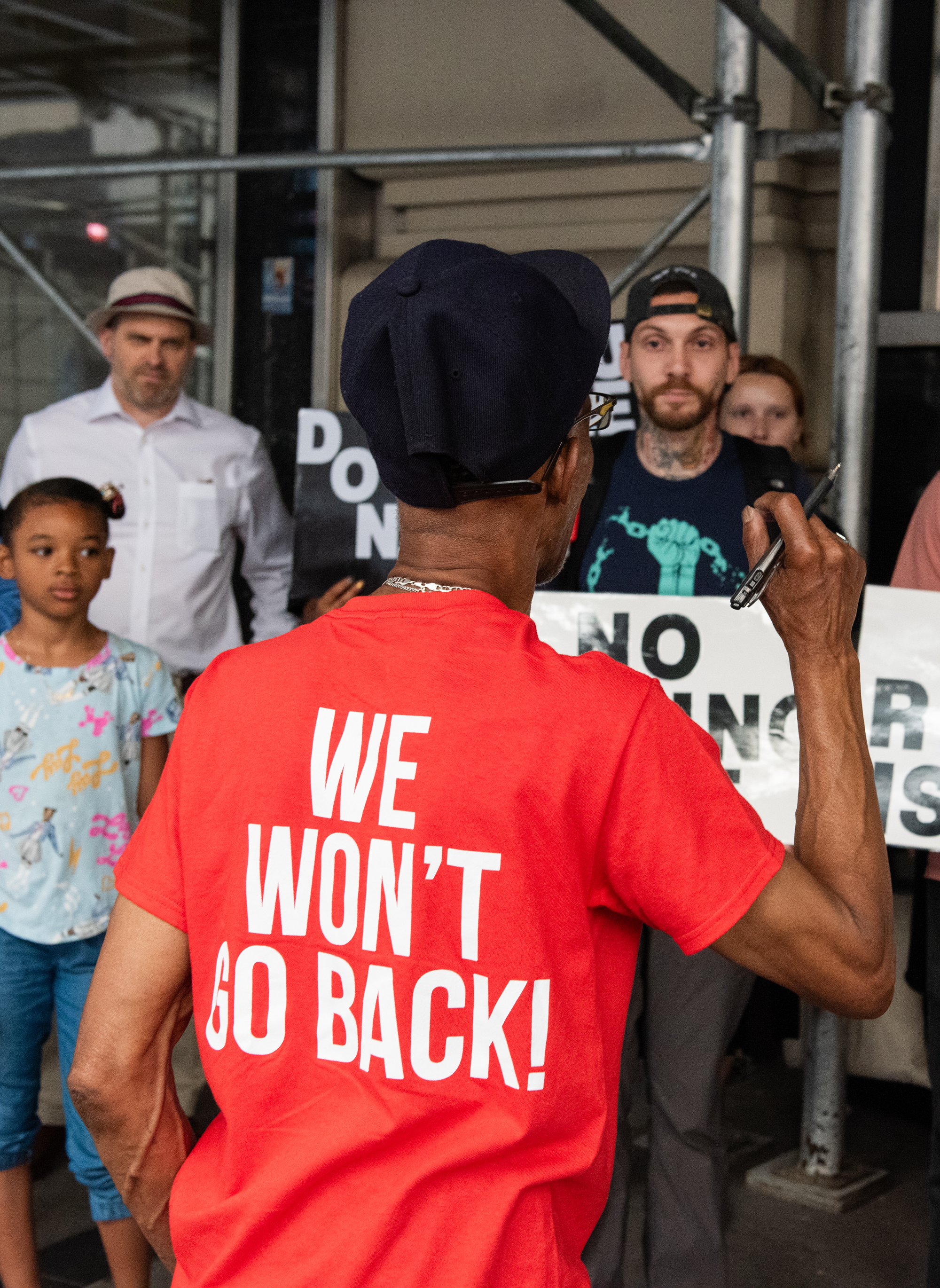


ELIGIBLE VOTERS ARE BEING DISENFRANCHISED
In New York, anyone who is not currently serving a sentence for a felony conviction is eligible to vote. Although the vast majority of people held in jails are eligible, voter turnout numbers and a state-wide survey conducted by the League of Women Voters show systemic disenfranchisement of these New Yorkers caused by local jails and voting agencies. There are currently no polling sites in any New York jail despite successes in other states, and, therefore, eligible incarcerated New Yorkers struggle to participate and have their voices heard.
ABSENTEE BALLOT VOTING FAILS THE MAJORITY OF DETAINED VOTERS
The time frames prescribed for an absentee ballot present significant challenges within detention facilities. Deadlines for absentee ballots naturally exclude those entering a facility close to an Election Day, while logistical impediments out of the detained person’s control routinely prevent those who successfully request an absentee ballot from having their vote actually counted. The absentee ballot system, even in the few jails throughout the state where attempts to facilitate absentee voting are carried out, fails to function effectively each election cycle and, as a result, detained New Yorkers are disenfranchised.
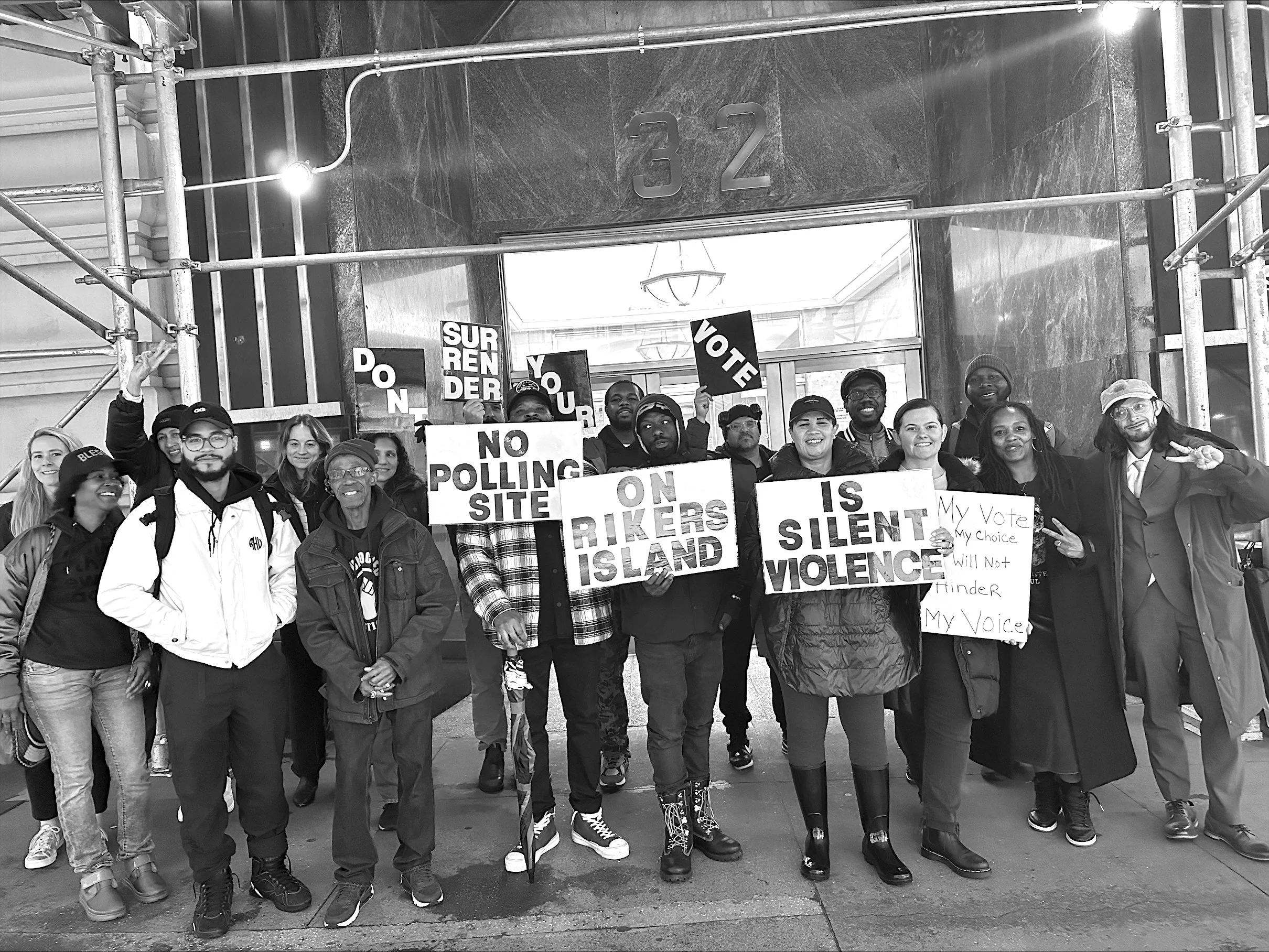
Some of the most formidable barriers to voting in jail are also related to access to information. Details about voter eligibility, how to vote, and who is on the ballot are often sparse, inaccurate, or entirely lacking.
New York must install polling sites in pre-trial detention facilities and create protections for voters within jails in order to end to this de-facto racial disenfranchisement taking place throughout the state.